

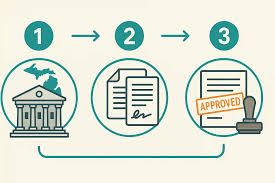
If you are researching the topic inheritance tax Michigan, it is important to understand how inheritance rules work in the state today. Many beneficiaries worry about unexpected taxes when receiving money or property from a loved one’s estate. Fortunately, Michigan is considered one of the most tax-friendly states when it comes to inheritance. The state no longer imposes a separate inheritance tax on beneficiaries for most modern estates. However, there are still some important details, exceptions, and federal rules that families should understand before completing an estate transfer.
The original Michigan Inheritance Tax was eliminated more than three decades ago. This means that if a loved one passed away after September 30, 1993, their beneficiaries generally do not owe a state inheritance tax. This repeal has helped simplify estate administration and reduce financial burden on heirs. Today, the overwhelming majority of Michigan estates are free from state-level inheritance tax obligations.
Estate and Federal Taxes Still Matter
While the state does not impose inheritance tax, it is still essential to remember that other tax responsibilities may apply. For example, Michigan does not currently have an estate tax either. This means there is no state tax applied to the value of an estate before it is distributed to heirs.
However, the federal government does impose a Federal Estate Tax on very large estates. Whether the tax will apply depends on the value of the estate and the federal exemption levels for that particular year. Only estates that exceed the federal threshold are required to pay this tax. Because the exemption limit is usually very high, most families never owe federal estate tax. Still, individuals with substantial assets should consider proper estate planning to ensure their heirs are protected from unnecessary federal tax obligations.
Another important point is the taxation of assets after they are inherited. Receiving an inheritance is typically not taxed as income. However, if the inherited assets produce income later, such as rental income, dividends from inherited stocks, or interest on inherited accounts, that income may be taxable. Similarly, when beneficiaries sell inherited assets such as property or investments, capital-gains tax may apply depending on the sale amount and the step-up in basis.
Special Situations to Consider
Although inheritance tax is no longer an issue for most Michigan families, some special cases still exist. If a person passed away on or before September 30, 1993, the old inheritance tax rules may still apply. Additionally, if new assets are discovered from one of these older estates, they may also fall under the previous tax laws. While this situation is rare, it is something families of older estates should keep in mind.
There are also complications when property is located in another state. Some states still impose inheritance tax or apply estate tax rules differently. If the deceased owned real estate or certain financial assets outside Michigan, the laws of that other state may apply. Beneficiaries could be required to pay a tax to that state even though Michigan does not impose one. This is one reason why people with multi-state property portfolios often seek legal guidance.
Probate is another factor to consider. Even though there is no inheritance tax, many estates must still go through probate unless appropriate planning was done in advance. Probate may include court fees, paperwork, administrative delays, and public access to estate records. Families who prefer to avoid probate often explore options such as living trusts or beneficiary-designated accounts.
Why Estate Planning Is Still Important
Even without inheritance tax, proper estate planning remains essential. Estate planning helps families reduce stress, avoid unnecessary legal costs, and ensure assets are transferred smoothly. It also helps protect estates from potential federal tax issues, especially for individuals with larger asset portfolios.
Some key tools used in estate planning include:
- Wills to outline how property should be distributed
- Trusts to avoid probate and manage complex assets
- Powers of attorney for financial and medical decisions
- Beneficiary designations on accounts such as life insurance or retirement funds
- Planning for multi-state assets to avoid out-of-state taxes
With proper planning, families can ensure that inheritances are preserved and transferred efficiently.
Conclusion
While inheritance tax Michigan is a common search phrase, the reality is that Michigan no longer imposes an inheritance tax for almost all modern estates. However, families must still be aware of federal estate taxes, income taxes on inherited assets, and the complexities of probate or out-of-state property. If you want to ensure your family is fully protected and your estate is handled smoothly, the experienced legal team at Rochester Law Center is here to help guide you through every step of the estate and tax planning process.