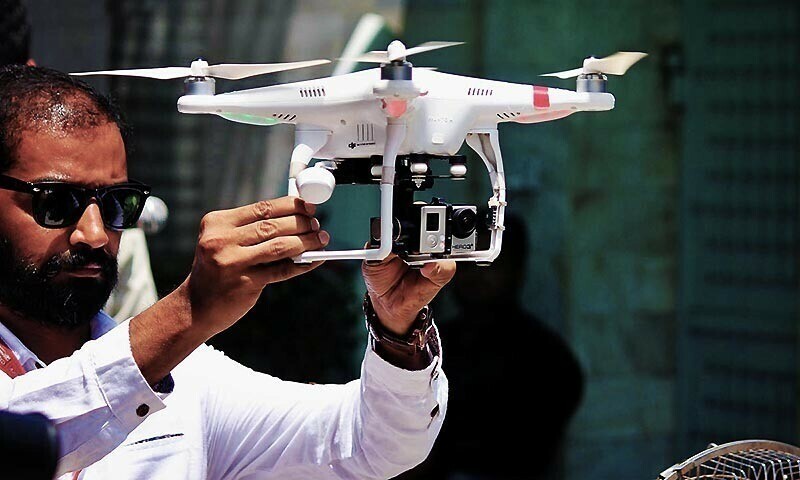
Drone laws in the United States depend heavily on why you are flying, where the flight takes place, and the aircraft involved. Recreational pilots and people flying for business can face different requirements, while airspace restrictions apply regardless of whether a drone flight seems simple or harmless.
The Federal Aviation Administration treats drones as aircraft, making preparation before takeoff more than a matter of courtesy.
Which Rules Apply to Your Drone Flight?
Recreational flying may qualify under the statutory exception for limited recreational operations. The FAA requires recreational pilots to complete the Recreational UAS Safety Test, follow recognized safety guidelines, maintain visual line of sight, yield to other aircraft, and comply with applicable airspace restrictions.
Flights performed for work, business, or most other non-recreational purposes generally fall under Part 107. Part 107 operations normally require an FAA Remote Pilot Certificate and compliance with operational rules governing small drones weighing less than 55 pounds.
Recreational Does Not Simply Mean Unpaid
A flight is not automatically recreational merely because no money changes hands. The purpose of the flight matters. Someone recording footage for a business, organization, or other non-recreational objective may need to operate under Part 107 even if the pilot receives no direct payment.
Registration and Remote ID Requirements
Most recreational drones weighing 250 grams, or 0.55 pounds, or more must be registered. Part 107 operators must register each drone they intend to operate. FAA registration requirements and exemptions should be checked before relying on general online reading or informal advice from other pilots.
Drones that must be registered, or that are registered, generally must comply with Remote ID requirements. Certain flights involving drones without Remote ID equipment may take place within an FAA-Recognized Identification Area under applicable conditions.
Airspace Rules Can Change Where You May Fly
Recreational pilots generally may fly at or below 400 feet in uncontrolled Class G airspace. Controlled airspace around many airports requires prior FAA authorization, which may be available through LAANC or DroneZone. Broader web reference material should not replace an airspace check immediately before a planned flight.
| Flight Issue | Typical Requirement | Practical Check |
|---|---|---|
| Recreation | TRUST rules apply | Carry proof |
| Controlled airspace | Authorization may be required | Check before launch |
| Registered drone | Remote ID generally applies | Confirm compliance |
| Business flight | Part 107 usually applies | Verify pilot certificate |
Local Restrictions Still Matter
FAA rules govern the National Airspace System, but they are not the only rules a pilot may encounter. State and local laws can affect matters such as launching from public property, privacy, surveillance, law-enforcement activity, or operations around particular facilities.
That means a flight may satisfy federal aviation rules while creating a separate local legal problem. Pilots comparing rules with broader digital material should identify the actual government authority responsible for the location rather than assuming one set of rules covers everything.
Mistakes That Commonly Cause Drone Problems
One common mistake is checking only the physical location and ignoring the airspace above it. A park may appear open to drones while the surrounding airspace requires authorization or carries temporary restrictions.
Another mistake is assuming that a small aircraft is exempt from every rule. A drone below the recreational registration threshold can still be subject to operating, airspace, safety, and local restrictions. The FAA’s recreational flyer guidance is a stronger starting point than assumptions based on aircraft size alone.
When Should You Get Legal Help?
Legal advice may be useful after an FAA enforcement notice, accident, injury, property-damage allegation, privacy complaint, disputed commercial operation, or repeated conflict over where a drone may be launched or flown.
Businesses using drones should also consider advice when operations involve employees, contractors, recurring flights, sensitive locations, or unusual missions that may require waivers. Preserve flight logs, authorization records, registration documents, photographs, and relevant communications if a dispute develops.
Frequently Asked Questions
Do all recreational drones have to be registered?
No. The FAA states that recreational drones weighing 0.55 pounds or less may fall within a registration exemption when operated under the recreational exception, although other flight rules can still apply.
Can I fly a drone near an airport?
Possibly, but controlled airspace may require FAA authorization before flight. Pilots should check current airspace information rather than relying solely on distance from the airport.
Is a drone pilot certificate required for paid work?
Most non-recreational operations fall under Part 107, which generally requires the person operating as remote pilot in command to hold the appropriate FAA certification.
Check the Rules Before Every Flight
Drone compliance begins before the motors start. Identify whether the operation is recreational or Part 107, verify registration and Remote ID obligations, check current airspace restrictions, and review rules governing the property from which you intend to operate.
A few minutes of verification can prevent an ordinary flight from becoming an enforcement or liability problem.
This article provides general legal information and is not a substitute for advice from a qualified attorney regarding a specific situation.